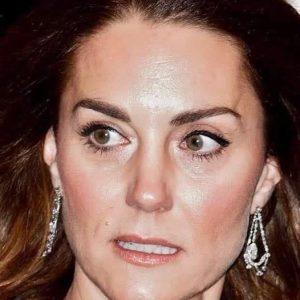
Celebrity photo comparisons often promise certainty, but they rarely tell the full story. A pair of images taken years apart can quickly become the basis for speculation, with small differences interpreted as evidence of cosmetic procedures, personal struggles, or hidden controversies. In reality, a single photograph captures only a moment, leaving out everything that may have shaped it.
What the camera cannot reveal are the countless factors that influence how someone looks—lighting, camera angles, makeup, stress, lack of sleep, health changes, pregnancy, aging, or simply the passage of time. Yet online discussions often ignore those possibilities, replacing nuance with assumptions and turning ordinary human change into a narrative of scandal or secrecy.
The fascination with Meghan Markle’s evolving appearance reflects a broader cultural habit. Public figures are constantly examined and compared, with every wrinkle, hairstyle, or expression scrutinized for hidden meaning. Instead of acknowledging that change is a natural part of life, the conversation often treats it as something that must be explained or justified.
That mindset doesn’t affect celebrities alone. Constant exposure to curated images and endless comparisons can shape how people view themselves, creating the impression that every physical change requires an explanation or correction. Over time, normal aging and everyday fluctuations begin to feel like shortcomings rather than natural experiences.
Perhaps the more thoughtful approach is also the simplest: we can notice that someone looks different without assuming we know why. Not every photograph tells a complete story, and not every question has an answer that can—or should—be guessed from appearances alone.
In an era driven by viral images and instant opinions, a little restraint can go a long way. Respect begins with recognizing the limits of what we know and remembering that a photograph captures a face, not the full reality of a person’s life.